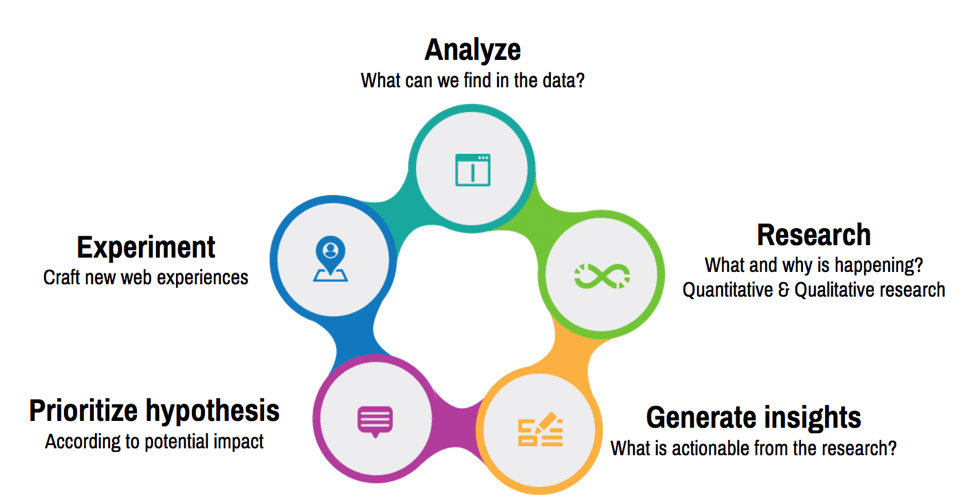
Imagine turning more of your website visitors into loyal customers without needing to increase your traffic. This is the magic of Conversion Rate Optimisation (CRO).
If you’ve ever wondered why some sites effortlessly convert clicks into sales while others struggle, you’re in the right place. CRO isn’t just a buzzword; it’s the secret sauce that can dramatically boost your business’s bottom line. By understanding your audience’s behavior and making strategic tweaks, you can transform your site into a conversion powerhouse.
Ready to unlock your site’s full potential and get more from every visitor? Let’s dive into the world of CRO and discover how you can maximize your results.
What Is Conversion Rate Optimisation?
Conversion Rate Optimisation (CRO) is a crucial aspect of digital marketing. It involves improving the percentage of visitors who complete a desired action. This could be anything from making a purchase to signing up for a newsletter. CRO helps businesses understand user behavior and enhance their website’s effectiveness. It’s about making changes that lead to more conversions, maximizing the value of existing traffic.
Understanding The Basics Of Conversion Rate Optimisation
CRO starts with analyzing website data. This includes visitor statistics and user interactions. Identifying areas where users drop off or lose interest is key. Through testing, businesses can find out what works best. A/B testing is common in CRO. It involves comparing two versions of a webpage to see which performs better.
Why Is Conversion Rate Optimisation Important?
Improving conversion rates means more revenue without increasing traffic. It’s cost-effective and enhances user experience. A well-optimized site is easier to navigate. It leads to higher satisfaction and better engagement. CRO also provides insights into customer preferences. Businesses can tailor their offerings accordingly.
How To Implement Cro Strategies
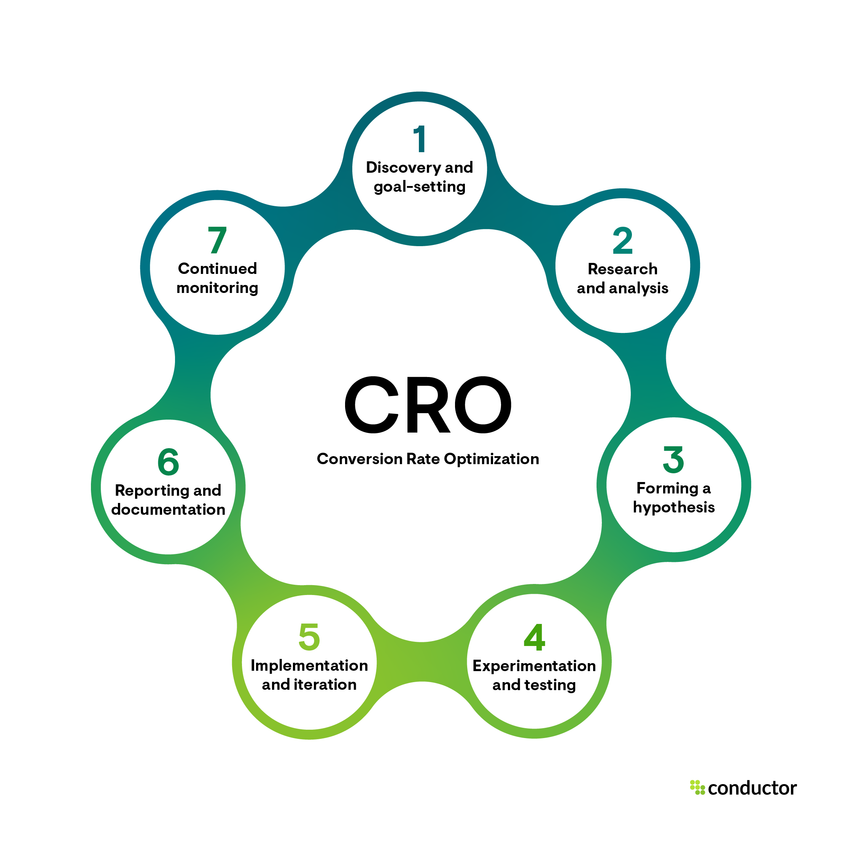
Start by setting clear goals. Know what actions you want users to take. Use tools like heatmaps to understand user behavior. Analyze where users click and how they navigate. Test different elements such as headlines and images. Measure the impact of each change carefully. Always use data to guide decisions.
Credit: www.conductor.com
Importance Of Cro For Businesses
In today’s competitive digital landscape, businesses cannot afford to overlook the importance of Conversion Rate Optimization (CRO). CRO focuses on improving the percentage of visitors who take a desired action on your website, such as making a purchase or signing up for a newsletter. Prioritizing CRO can significantly impact your bottom line and enhance your overall business strategy.
What Is Cro?
CRO is the practice of optimizing your website to increase the likelihood of converting visitors into customers. It’s not just about tweaking aesthetics; it’s about understanding user behavior and removing obstacles that hinder conversions. By refining your approach, you can turn more visitors into loyal customers.
Why Should You Care About Cro?
Every business owner wants to maximize their marketing budget. CRO helps you achieve more with the traffic you already have. Instead of spending more on acquiring new visitors, focus on converting the existing ones more effectively. This approach is often more cost-effective and rewarding.
Impact On Revenue
Higher conversion rates translate directly into increased revenue. Imagine doubling your conversion rate; it could mean doubling your sales without increasing your marketing spend. A friend once shared how a single change in their checkout process boosted their sales by 30%. Simple tweaks can lead to substantial gains.
Enhancing User Experience
CRO is deeply linked to user experience. A smoother, more intuitive website can keep visitors engaged and reduce bounce rates. Ask yourself, is your site easy to navigate? Does it address the needs of your audience? A pleasant user experience often results in higher conversion rates.
Competitive Advantage
Businesses that invest in CRO often stay ahead of their competitors. When your site converts better, you can outpace competitors in growth. Wouldn’t you want to be the business that converts visitors into customers more effectively than anyone else in your field?
Measuring Success
Success in CRO is measurable. Use tools like Google Analytics to track conversion rates and identify areas for improvement. Are your goals clear? Set specific, achievable targets and monitor progress. This data-driven approach ensures that your efforts yield tangible results.
Conversion Rate Optimization is more than just a strategy—it’s a necessity. By focusing on CRO, you can improve your revenue, enhance user experience, and gain a competitive edge. So, are you ready to boost your business with CRO?
Key Metrics To Track
Tracking key metrics is essential for conversion rate optimisation. Focus on bounce rate, average session duration, and click-through rate. These metrics help understand user behavior and improve website performance.
Conversion Rate Optimisation (CRO) is all about enhancing your website to boost the number of visitors who take a desired action, like making a purchase or signing up for a newsletter. To improve your conversion rates, understanding the key metrics to track is crucial. These metrics will guide you to see what’s working and what needs improvement. Here are some essential metrics to monitor:Bounce Rate
Bounce rate is the percentage of visitors who leave your website after viewing only one page. A high bounce rate might indicate that users aren’t finding what they’re looking for on your site. Consider evaluating your content’s relevance and engagement levels. Imagine visiting a store and leaving immediately because nothing caught your eye. That’s what happens with a high bounce rate. Aim to create an inviting environment that encourages visitors to explore more.Average Session Duration
Average session duration measures the time a user spends on your site in a single session. Longer sessions often indicate that your content is engaging and holding the user’s attention. Think about a time when you got lost in a website, reading article after article. That’s the experience you want to create. Keep your content compelling and relevant to extend user sessions.Pages Per Session
Pages per session is the average number of pages a visitor views during one session. A higher number suggests that users are interested in your content and are navigating through multiple pages. Consider a website as a bookstore. The more sections a reader visits, the more interested they are. Encourage users to explore by providing clear navigation and related content links. Tracking these metrics gives you valuable insights into user behavior on your site. Are your visitors engaging with your content, or are they leaving too quickly? Use these metrics to identify areas for improvement and guide your CRO strategies. Remember, it’s not just about attracting visitors; it’s about keeping them engaged and converting them into loyal customers.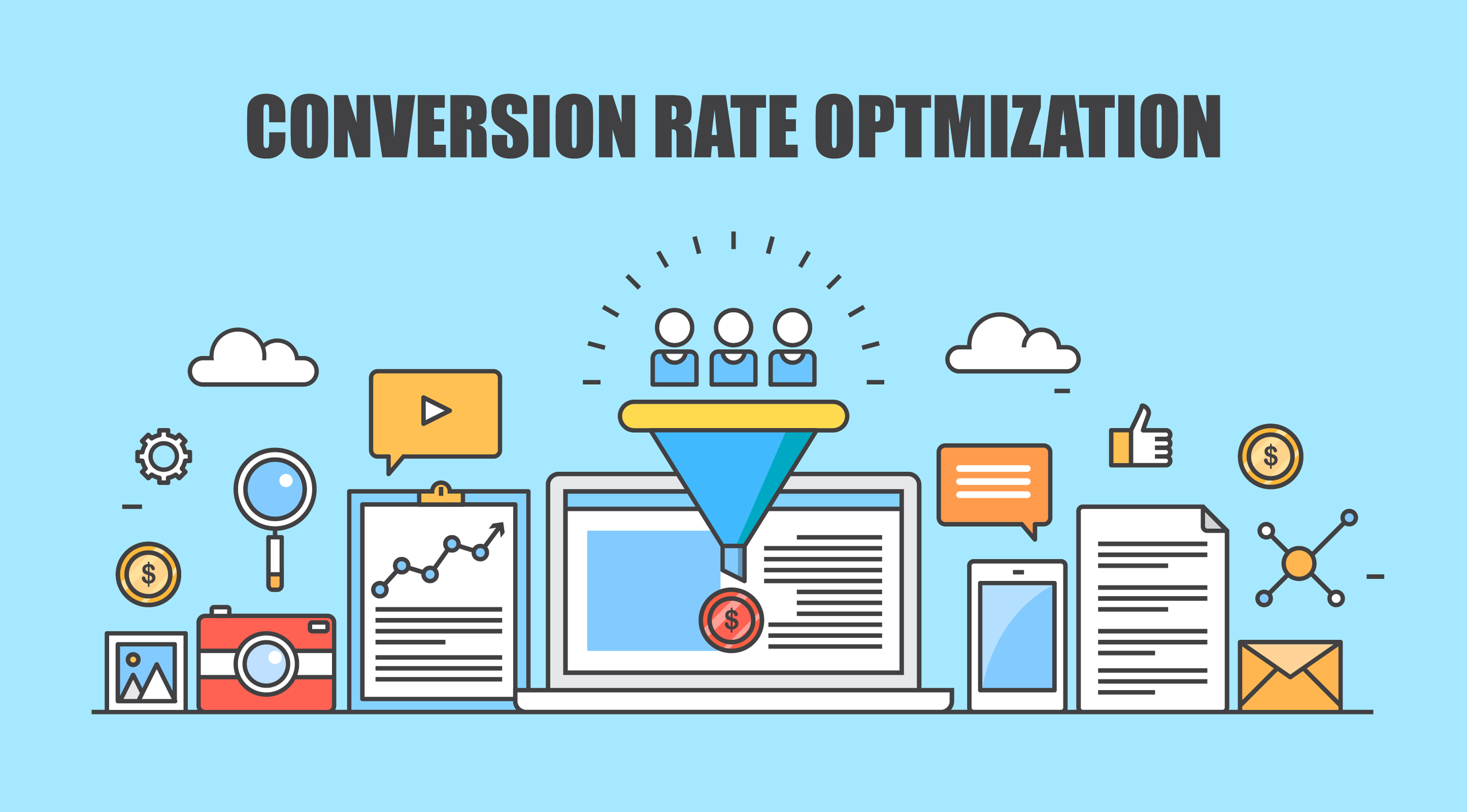
Credit: www.newbreedrevenue.com
User Experience Enhancements
Conversion rate optimisation isn’t just about numbers. It’s about user experience. Enhancing the user experience can lead to more conversions. A happy visitor is more likely to become a customer. Let’s explore some ways to improve user experience.
Simplifying Navigation
Clear navigation helps users find information quickly. A simple menu is key. Use familiar terms for menu items. Limit the number of choices. This avoids overwhelming users. Keep the navigation consistent across pages. Consistency builds trust and familiarity.
Improving Page Load Times
Fast loading pages enhance user experience. Slow pages frustrate visitors. They might leave before the page loads. Use tools to test page speeds. Optimize images for faster load times. Minimize the use of heavy scripts. This can significantly reduce loading time.
Mobile Responsiveness
Many users browse on mobile devices. A mobile-responsive site is essential. Ensure text and images adjust to screen size. Test on various devices. Users should easily navigate without zooming or scrolling. This improves the mobile user experience.
Effective Call-to-actions
Boost conversions with effective call-to-actions. Simple and clear prompts guide users to desired actions. Enhance user experience and improve engagement.
Effective Call-to-Actions (CTAs) are the heart of conversion rate optimization. They guide your visitors towards taking desired actions, whether it’s signing up for a newsletter, making a purchase, or downloading a resource. Crafting compelling CTAs can transform a casual browser into a loyal customer. But how do you create CTAs that truly convert? Let’s dive into some practical strategies.Placement Strategies
Where you place your CTA can significantly impact its effectiveness. Have you ever noticed how some CTAs just seem to pop up when you need them most? That’s no accident. Placing CTAs above the fold, at the end of blog posts, or alongside product descriptions can increase visibility and engagement. Consider using a sticky CTA that follows the user as they scroll. This ensures that your CTA is always within reach, no matter where the reader is on the page. Experiment with different placements to see what works best for your audience.Design Tips
The design of your CTA plays a crucial role in grabbing attention. A well-designed button can stand out and attract clicks. Use contrasting colors to make your CTA visually distinct from the rest of your page content. Ensure the text is large enough to read at a glance. A strong border and enough white space around the button can also make it more noticeable. Try different shapes and sizes to see what draws more interaction from your visitors.Persuasive Language
Words have power. The language you use in your CTA should be direct and action-oriented. Instead of a bland “Submit” button, try “Get Your Free Guide” or “Start Your Free Trial”. This not only tells users what they will get but also instills a sense of urgency. Use words that resonate emotionally with your audience. Consider what motivates them and leverage that in your CTA. Ask yourself: what kind of language would compel you to click? Integrating these tactics can make a significant difference in your conversion rates. Have you tried any of these strategies before? What worked best for you?A/b Testing Strategies
A/B testing helps improve conversion rates by comparing two versions of a webpage or app. This strategy identifies which version attracts more visitors or leads to more sales. Businesses can refine their marketing efforts by analyzing user preferences and behaviors through A/B testing.
When it comes to improving your website’s performance, A/B testing is a powerful tool in your conversion rate optimization toolkit. It allows you to test different versions of your web pages to see which one performs better in terms of user engagement and conversions. But how do you set up these tests effectively, and what should you watch out for? Let’s dive into A/B testing strategies that can elevate your site’s performance and maximize your ROI.Setting Up Tests
Begin by identifying a specific goal you want to achieve, such as increasing click-through rates or reducing bounce rates. Use analytics tools to pinpoint which pages need the most attention. Once you’ve identified the target, create two versions of the page: the original (control) and a modified version (variant). Ensure your test has a substantial sample size. This provides accurate data for making decisions. Tools like Google Optimize or Optimizely can be handy for setting up these tests. Remember, small changes can lead to significant results.Interpreting Results
After running your test for a reasonable period, analyze the data. Look for statistically significant differences between the control and the variant. Numbers alone won’t tell the full story, so consider user feedback and behavior insights. Ask yourself: Did the variant improve the conversion rate? Is there a noticeable change in user engagement? Use these insights to decide which version to implement permanently.Common Mistakes To Avoid
Don’t rush the testing process. Tests need adequate time to yield meaningful results. Ending a test too early could lead to inaccurate conclusions. Avoid testing too many elements at once. Focus on one change per test to understand its impact clearly. Overcomplicating tests can confuse results and lead to faulty interpretations. Neglecting mobile users is another common pitfall. Ensure your tests are responsive across all devices. Mobile traffic is substantial, and ignoring it can skew your results. A/B testing is not just about numbers; it’s about understanding your audience better. Are you ready to optimize your conversion rates effectively?Leveraging Social Proof
Boost conversion rates by showcasing social proof, such as testimonials or reviews. These elements build trust with potential customers. Highlighting real user experiences can significantly influence purchasing decisions.
Leveraging social proof can dramatically boost your conversion rates. Social proof is a psychological phenomenon where people copy the actions of others, assuming those actions reflect the correct behavior. When you harness this in your marketing strategy, you increase trust and credibility with potential customers. The key is to show that others have made the same choice and are happy with it. Let’s dive into some practical ways to use social proof effectively in your conversion rate optimisation strategy.Customer Testimonials
Customer testimonials are a powerful form of social proof. They offer real-life experiences and honest opinions. When potential customers see positive feedback from others, they are more likely to trust your brand. Add testimonials to your website, especially on product pages. Keep them short and impactful. Highlight specific benefits or outcomes that resonate with your audience. Do you remember a time you bought something based on a glowing review? That’s the power of a well-placed testimonial.Case Studies
Case studies provide detailed insights into how your product or service solves problems. They offer a narrative that potential customers can relate to. Create case studies that focus on challenges similar to those your audience faces. Use clear, concise language and include tangible results. A well-crafted case study can be the deciding factor for a customer on the fence. It shows that your solution has been tested and proven successful.User-generated Content
User-generated content (UGC) can be a goldmine for social proof. It includes reviews, photos, or videos created by your customers. UGC is authentic and relatable. Encourage your customers to share their experiences on social media and tag your brand. Showcase this content on your website or social platforms. When people see others using and enjoying your products, it creates a community feeling. It encourages them to become part of that community. Have you ever posted a picture with a product and felt more connected to the brand? That’s the sense of belonging UGC can create. Remember, leveraging social proof effectively can be the catalyst for turning visitors into loyal customers. What steps will you take to incorporate social proof into your strategy today?Personalization Techniques
Boosting conversion rates involves personalizing user experiences. Tailored content, recommendations, and dynamic landing pages cater to individual preferences. These techniques enhance engagement, making users feel valued and understood, leading to higher conversions.
In today’s digital landscape, personalization is the secret sauce that can transform your conversion rates. As a business owner or marketer, you’re constantly seeking ways to connect with your audience on a personal level. Personalization techniques offer a pathway to do just that, making your marketing efforts more relevant and impactful. By tailoring your content and user experience, you can significantly boost engagement and drive more conversions.Targeted Content
Creating targeted content is like having a conversation with a friend who truly understands you. It allows you to speak directly to the needs and desires of your audience. Start by analyzing your customer data to identify specific interests and preferences. Have you ever visited a website and felt like it was reading your mind? That’s targeted content in action. Use this approach to deliver relevant blog posts, product recommendations, and personalized emails. When your audience sees content that resonates with them, they’re more likely to take action.Dynamic Landing Pages
Dynamic landing pages adapt to the individual visiting them, offering a unique experience each time. Imagine landing on a page that shows products or services based on your past interactions. This not only saves time but also enhances user satisfaction. You can use tools to create these pages that change content based on user behavior or demographics. It’s like having a personal shopper guiding your customers to what they need. Consider testing different headlines or calls-to-action to see what resonates most. The more personalized the landing page, the higher the chances of conversion.Segmentation Tactics
Segmentation divides your audience into smaller, more manageable groups, allowing for tailored marketing strategies. Think of it as customizing a playlist for different moods. You wouldn’t play a workout mix at a dinner party, right? By segmenting your audience based on criteria like age, location, or buying behavior, you can create specific messages for each group. This increases the relevance of your campaigns and can lead to higher conversion rates. For instance, a young adult in a big city might respond differently than a retiree in a rural area, so tailor your messaging accordingly. Are you ready to implement these personalization techniques and watch your conversion rates soar? By understanding and applying these strategies, you can create a more engaging and effective marketing approach. Personalization isn’t just a trend; it’s a necessity in today’s competitive market.Analyzing And Iterating
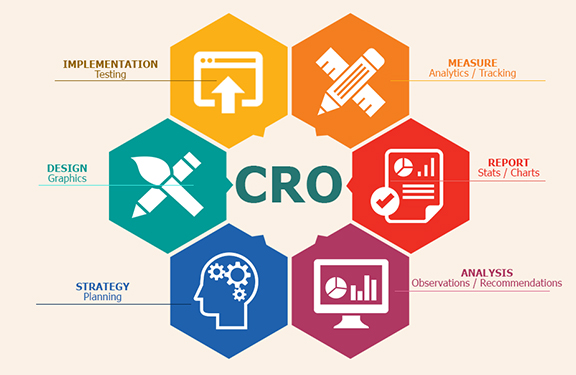
Conversion rate optimization isn’t a one-time task. It’s a continuous journey. Analyzing and iterating are key steps in this journey. Through analysis, you understand how users interact with your site. Iteration involves making changes based on this understanding. This cycle helps improve conversion rates over time.
Data-driven Decisions
Data is your best friend in conversion optimization. Gather user data from various sources. Look at website analytics, user feedback, and heatmaps. Identify patterns and trends. Use this information to make informed decisions. Data removes guesswork. It provides clear direction for improvements.
Continuous Improvement
Optimization is not a one-time fix. It’s about continuous improvement. Test different elements like headlines, buttons, and images. Each test provides new insights. Use these insights to refine your strategies. Small changes can lead to significant results. Keep experimenting and learning.
Feedback Loops
Feedback loops are crucial in optimization. Gather feedback from users regularly. Use surveys or direct interactions. Analyze this feedback to find areas for improvement. Implement changes based on user input. Monitor the effects of these changes. Feedback loops create a cycle of constant refinement.
Credit: medium.com
Frequently Asked Questions
What Is Conversion Rate Optimisation?
Conversion Rate Optimisation (CRO) is a process aimed at increasing the percentage of website visitors who complete a desired action. This could be purchasing a product, signing up for a newsletter, or any other goal. CRO involves understanding visitor behavior, testing various strategies, and making data-driven improvements to enhance user experience and drive conversions.
Why Is Cro Important For Businesses?
CRO is crucial for businesses because it helps maximize the value of current traffic. By improving conversion rates, businesses can boost revenue without increasing their marketing spend. It enhances user experience, builds customer trust, and provides insights into customer behavior.
Ultimately, CRO leads to better return on investment and competitive advantage.
How Does A/b Testing Improve Conversions?
A/B testing improves conversions by comparing two versions of a webpage to see which performs better. It involves changing elements like headlines, buttons, or images to determine what influences user behavior. By testing and analyzing results, businesses can make informed decisions, optimize their site, and increase conversion rates effectively.
What Tools Are Used In Cro?
Various tools assist in CRO, such as Google Analytics, Optimizely, and Hotjar. These tools help track visitor behavior, conduct A/B tests, and gather insights. They provide data on user interactions, heatmaps, and conversion funnels. Using these tools, businesses can identify areas for improvement and implement strategies to enhance conversions.
Conclusion
Optimizing your conversion rate is crucial for business growth. It helps improve user experience and boosts sales. Start by analyzing your current website performance. Identify areas that need improvement. Test different strategies and track their impact. Make necessary changes based on data insights.
Consistent effort leads to better results. Always prioritize your audience’s needs and preferences. Understand their journey and simplify processes. This builds trust and encourages more conversions. Regularly review your strategies to stay effective. Keep learning and adapting to new trends.
Conversion rate optimization is an ongoing process. Stay committed for long-term success.
Related Posts